 Thornton Brothers
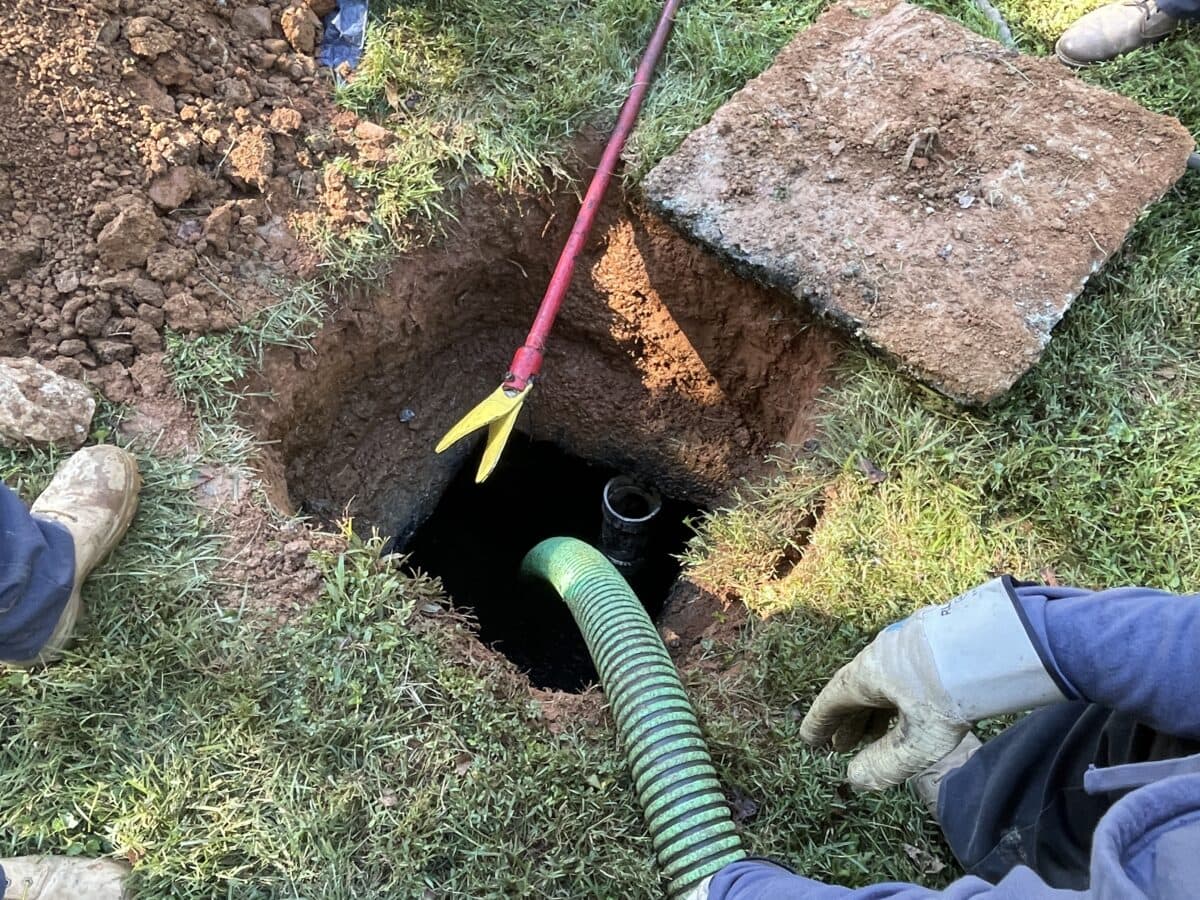
What is septic tank cleaning?
Septic tank cleaning is the full removal of everything inside your tank: the floating scum layer, the liquid effluent and the heavy sludge settled on the bottom. Unlike a basic pump-out, a thorough cleaning clears hardened solids so the tank is emptied completely and your system starts fresh.
Over time, solids separate into layers inside your septic tank. Lighter material like grease and soap scum floats to the top, wastewater sits in the middle, and dense sludge sinks to the bottom and compacts.
If those bottom solids are never fully removed, they harden and shrink your tank's working capacity. Our crew agitates and breaks up the compacted sludge so the tank is actually cleaned, not just skimmed.
- Removes the top scum layer of grease and solids
- Pumps out the liquid effluent in the middle
- Breaks up and extracts hardened bottom sludge
- Leaves the tank empty and ready to work again
Septic pumping vs. septic cleaning: what's the difference?
Pumping removes the liquid and loose solids from your tank, while cleaning removes everything including the compacted sludge stuck to the bottom and walls. Pumping is the routine maintenance step; a full cleaning resets the tank completely. Many homeowners benefit from a cleaning every few service cycles.
Both services protect your drain field and prevent backups, but they are not identical. The table below shows how they compare so you can decide what your system needs.
| Factor | Septic Pumping | Septic Cleaning |
|---|---|---|
| What's removed | Liquid and loose floating solids | Scum, liquid and hardened bottom sludge |
| Bottom sludge | Often left behind | Fully broken up and extracted |
| Tank capacity restored | Partial | Full |
| Typical goal | Routine maintenance | Complete reset of the tank |
| Recommended timing | Every 3-5 years | Periodically, or when sludge is heavy |
Why does removing sludge and scum matter?
Removing sludge and scum protects your drain field, the most expensive part of your system to replace. When these layers grow too thick, solids escape into the drain field, clog the soil and cause backups, odors and system failure. Regular cleaning keeps solids where they belong and extends the life of your septic system.
A septic tank is designed to hold solids while allowing clarified liquid to flow out to the drain field. When the sludge and scum layers crowd out that middle liquid zone, solids get pushed into the outlet pipe.
Once solids reach the drain field, they clog the soil's ability to absorb water. That damage is slow, expensive and often permanent, which is why keeping your tank clean is the single best way to avoid a costly drain field repair.
- Prevents solids from reaching and clogging the drain field
- Reduces the risk of sewage backups into the home
- Controls foul odors around the tank and yard
- Protects the most costly component of your system
When should you schedule a septic cleaning?
Most households should have the tank serviced every 3-5 years, with timing based on tank size and how many people use the system. Larger families and smaller tanks need service more often. Schedule sooner if you notice warning signs, or before closing on a home that runs on septic.
A typical residential septic tank holds 1,000 to 1,500 gallons. Household size, water use and even garbage disposal habits all affect how quickly the sludge layer builds up.
Don't wait for a disaster. Watch for these warning signs that your tank needs attention right away:
- Slow drains or toilets throughout the house
- Sewage odors indoors or near the tank
- Pooling water or extra-lush, green grass over the drain field
- Gurgling sounds in the pipes or drains
- Sewage backing up into sinks, tubs or floor drains
What happens during a Thornton Brothers septic cleaning?
Our crew locates and opens your tank's access ports, measures the scum and sludge layers, then pumps out the contents while breaking up compacted solids. A typical service takes about 20-60 minutes depending on tank size and condition. We haul everything away for environmentally responsible disposal.
We start by locating the tank and uncovering the access lids. Measuring the layers tells us how your system is performing and whether a simple pump-out or a full cleaning makes the most sense.
As we pump, we agitate the bottom to lift hardened sludge that a quick pump would miss. Before we leave, we check the baffles and inlet and outlet area so you know the condition of your tank.
You get clear, honest, upfront pricing with no hidden fees, and all waste is disposed of responsibly in line with Michigan regulations.
Frequently Asked Questions
How often should a septic tank be cleaned?
What's the difference between septic pumping and septic cleaning?
How long does a septic tank cleaning take?
What are the warning signs my septic tank needs cleaning?
Does cleaning my septic tank protect my drain field?
What size is a typical residential septic tank?
Do you dispose of septic waste responsibly?
What areas do you serve for septic cleaning?
Trusted Septic Resources
Homeowner guidance from authoritative sources on septic system care, maintenance, and Michigan regulations: