 Thornton Brothers
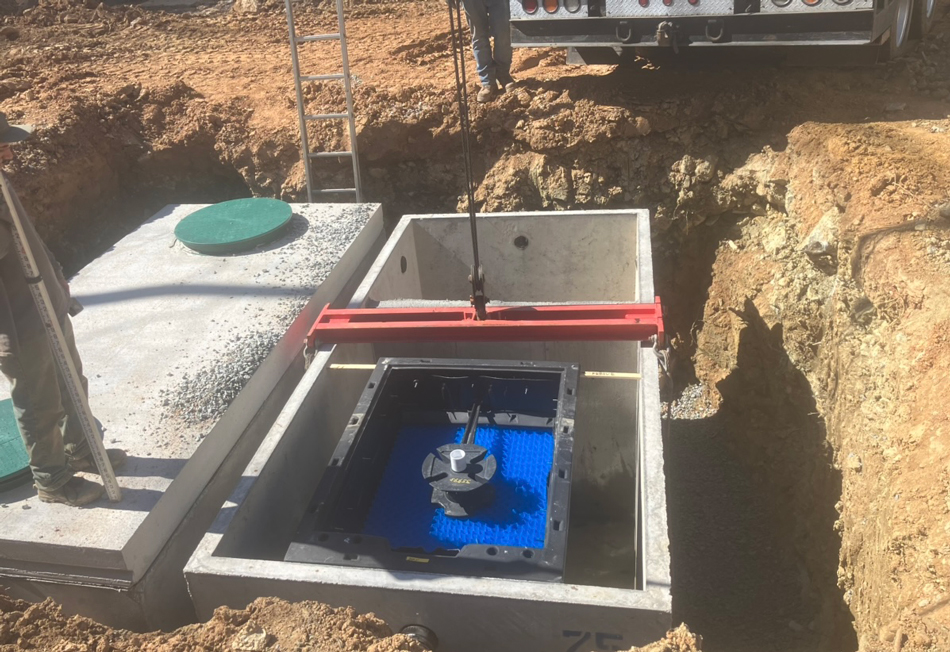
When do you need a new septic system installed?
You need a new septic system for any new construction on an unsewered lot, or a replacement when your existing system has failed beyond repair. Warning signs of failure include sewage backups, standing water or lush grass over the drain field, persistent odors, and drains that won't clear even after pumping.
New homes, additions, and rural properties outside municipal sewer service require a permitted septic system before they can be occupied. We work with builders and homeowners from the first soil test through final inspection.
Replacements happen when a drain field is saturated, tanks are cracked or collapsed, or a system simply cannot keep up with the household anymore. If repairs would cost more than they're worth, we'll tell you honestly and plan a replacement that fits your lot and budget.
- New construction on an unsewered parcel
- Drain field failure or chronic saturation
- Cracked, collapsed, or undersized tank
- Repeated backups that pumping no longer fixes
- Selling or buying a property with a failed system
What permits and tests are required in Michigan?
Michigan septic installations require a permit from your county health department, which is issued only after a soil evaluation and percolation (perc) test confirm the site can support a system. These tests measure how quickly soil absorbs water and determine the system type, size, and drain field layout your property needs.
In the Thumb and Great Lakes Bay Region, permitting is handled at the county level through the local health department. We coordinate the application, schedule the required soil and perc testing, and make sure the design meets current code before any excavation begins.
Because we work across Tuscola, Saginaw, Bay, Midland, and surrounding counties regularly, we know the local requirements and inspectors, which keeps your project moving without surprise delays.
- County health department permit
- Soil evaluation to identify soil type and water table
- Percolation (perc) test to measure absorption rate
- Approved system design and drain field sizing
- Final inspection before the system is covered and used
What types of septic systems can you install?
We install the system type your soil and site call for, from conventional gravity systems on well-draining soil to mound and engineered systems for lots with high water tables, heavy clay, or poor drainage. The perc test and soil evaluation determine which design your property requires.
A conventional system with a tank and gravity-fed drain field is the most common and economical choice where soil drains well. When conditions are tougher, an alternative design keeps your system compliant and reliable.
The right choice depends on your soil, lot size, water table, and household size. We'll walk you through the options after testing so you understand exactly what's going in the ground and why.
| System Type | Best Suited For |
|---|---|
| Conventional gravity | Well-draining soil with good separation from the water table |
| Pressure-dosed drain field | Sites needing even distribution across the field |
| Mound system | High water tables or shallow or slow-draining soil |
| Engineered/advanced treatment | Difficult lots, small parcels, or sensitive areas |
What does the installation process look like?
Installation follows a clear sequence: site evaluation and soil/perc testing, system design, county permitting, excavation, setting the tank and building the drain field, then final inspection and backfill. We manage every step so you have one accountable, licensed contractor from start to finish.
We start on site to look at your lot, well location, and drainage, then schedule the testing that drives the design. Once the permit is approved, our crew excavates, sets the tank, and constructs the drain field to spec.
After the health department's final inspection confirms everything meets code, we backfill, grade the area, and clean up. We also explain how to care for your new system so it lasts for decades.
- Site visit and soil/perc testing
- System design and permit application
- Excavation and tank placement
- Drain field construction and connections
- Final inspection, backfill, and grading
How long does a septic installation take?
Permitting and testing usually take the most time, often a few weeks depending on the county and soil conditions. Once the permit is in hand, the physical installation of a typical residential system is commonly completed in a few days, weather and site access permitting.
Timelines vary with county workload, the time of year, and how complex your site is. Engineered or mound systems take longer than a straightforward conventional install.
We'll give you a realistic schedule up front and keep you updated so you can plan around the work, especially important for new builds on a construction timeline.
Why choose Thornton Brothers for your installation?
We're a family-owned, fully licensed and insured Michigan septic company with roots in the rural Thumb. You get personal service, clear and honest upfront pricing with no hidden fees, environmentally responsible disposal, and 24/7 emergency support, all from a local crew that knows this region's soil and county requirements.
Based in Caro and serving Vassar, Saginaw, Bay City, Midland, Freeland, Bridgeport, and the surrounding Thumb and Great Lakes Bay communities, we treat your property like it's our neighbor's, because often it is.
From the first soil test to the final inspection, you work with one accountable team that stands behind the system it installs.
- Family-owned with deep Thumb-area roots
- Fully licensed and insured in Michigan
- Clear, honest, upfront pricing, no hidden fees
- Environmentally responsible disposal
- 24/7 emergency service
Frequently Asked Questions
Do I need a permit to install a septic system in Michigan?
What is a perc test and why does it matter?
How much does a new septic system cost?
How big should my septic tank be?
Can you replace just the drain field instead of the whole system?
What areas do you serve for septic installation?
How long will a new septic system last?
What should I do to maintain my new system?
Trusted Septic Resources
Homeowner guidance from authoritative sources on septic system care, maintenance, and Michigan regulations: